


Gum Disease (Gingivitis and Periodontal Disease)
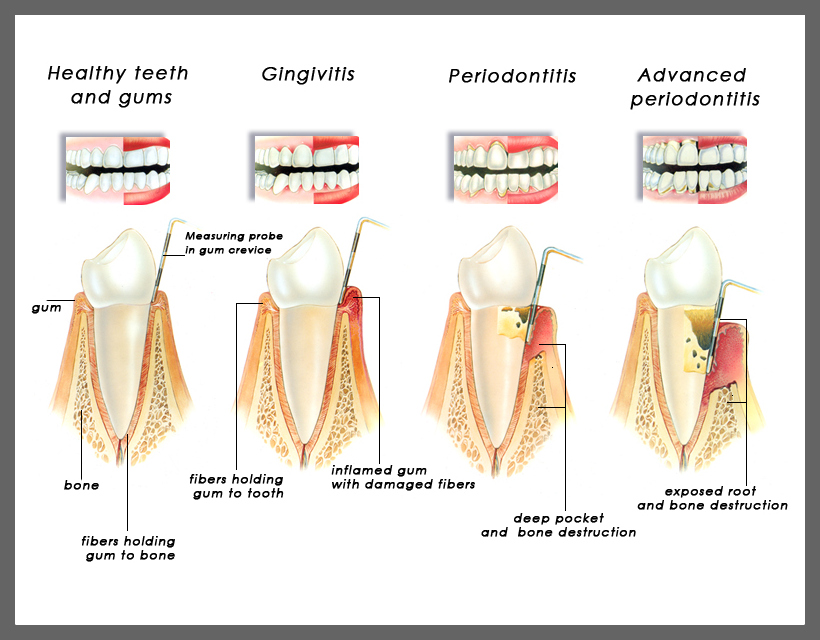
Gum disease (periodontal disease) is a common infection of the tissues that support teeth. It ranges from gum inflammation (gingivitis) to more serious infection that can damage bone and lead to tooth loss (periodontitis).
This page provides general information only. It is not a substitute for a dental assessment. For advice about your specific condition, please book an appointment.
About Gum Disease
- Causes: plaque and bacteria build-up, smoking, poor oral hygiene, certain medications, diabetes, hormonal changes, genetics.
- Symptoms: red, swollen or bleeding gums; bad breath; gum recession; loose teeth; changes in bite. Some people have minimal symptoms.
Assessment
- Diagnosis is made by a dental professional through medical/dental history, oral examination, periodontal probing, and dental x-rays where appropriate.
- Assessment may involve a full mouth periodontal charting and review of risk factors.
Treatment Options
- Early (gingivitis): improved oral hygiene, professional cleaning (scale and polish), smoking cessation advice, review of systemic risk factors.
- Periodontitis: tailored treatment plan may include non-surgical periodontal therapy (scaling and root planing), adjunctive therapies where indicated, periodontal maintenance (regular reviews and cleanings), referral for specialist periodontal care or surgery if required.
- Ongoing care: maintenance visits, home care instructions, and risk factor management are important to reduce recurrence.
Risks and Benefits
- Benefits: treatment aims to control infection, reduce symptoms, and preserve teeth and supporting structures.
- Risks: as with any dental treatment, possible discomfort, temporary sensitivity, bleeding, or need for further treatment. Outcomes vary by individual, risk factors, and adherence to care.
What to Expect at Your Visit
- Initial consultation: medical history, oral exam, periodontal charting, x-rays if needed, treatment options, estimated costs, and timeframes.
- Consent: we will discuss risks, benefits, alternatives and expected outcomes before treatment. You will be asked to provide informed consent.
Costs and Funding
- Exact costs will be provided in your treatment plan.
- Medicare generally does not cover routine periodontal care. Some private health funds may contribute—check your cover.
For Whom to Seek Urgent Care
Seek prompt assessment if you have severe pain, rapidly increasing swelling, pus, difficulty swallowing or breathing, or uncontrolled bleeding.